Aiforia as an investment
Business model
Business model
What Aiforia offers
Aiforia provides AI-based software-as-a-service (SaaS) and tailored expert services for pathologists and researchers. Its solutions take on routine image analysis tasks and streamline the diagnostic workflow, so pathologists can focus their expertise where it matters most. In research and drug development, the same technology can speed up the discovery of new biomarkers and help bring new medicines to market faster. Pathologists and researchers can also build custom AI models with the Aiforia® Create AI model development tool.
Pricing
Aiforia’s fees are both annual and usage-based. The annual fee covers use of the platform and depends on the amount of cloud storage and the number of users. Usage-based fees depend on the number of analyses and the complexity and size of the AI project and, in most cases, are paid in advance as credits.
Revenue models
Aiforia earns revenue through two models:
Right to access: Customers use Aiforia’s cloud-based software for a fixed contract period. Revenue from SaaS, license maintenance, application support, and cloud storage is recognized evenly over that period.
Right to use: Customers receive a license installed in their own software environment. Revenue from the license and its installation is recognized at a single point in time, when the installed license is delivered at the start of the contract.
Credit income is recognized when customers use their credits, which are prepaid computing capacity. Any credits still unused at the end of the contract are recognized at that time. Revenue from tailored services, such as building AI models, is recognized upon completion of the work.
Scalability and customer retention
Because cloud services are outsourced, capital expenditure remains low, and there is ample capacity to meet customer demand.
Customer stickiness is high: once the software is part of a laboratory’s daily work, there is strong reason to keep using it.
Sales channels
Aiforia sells through several channels, using both direct and partner sales for preclinical and clinical customers. Reseller partners include, for example, Siemens Healthineers, GPI group, PathAI, and Palex Medical.

Product offering
Aiforia offers software solutions for two markets: clinical diagnostics and preclinical research. Together, they serve pathologists and scientists from early drug discovery to routine patient diagnostics.
Clinical diagnostics
Customers: diagnostic laboratories
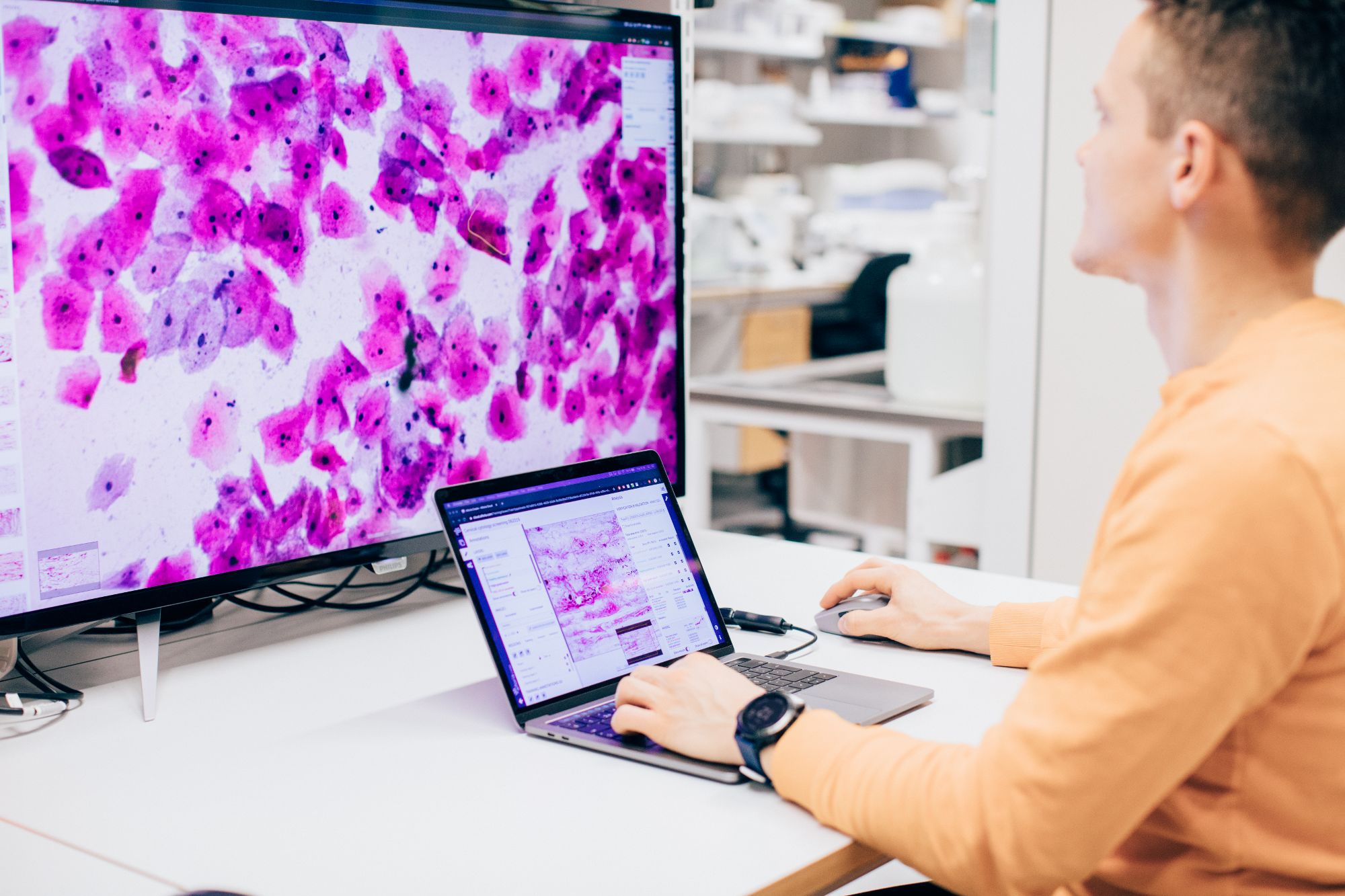
Aiforia’s clinical solutions support pathologists in diagnosing some of the world’s most common cancers, including breast, lung, and prostate cancer. They cover the complete AI-assisted diagnostic workflow: a worklist for managing cases, the interactive Clinical Viewer for reviewing slides, a broad portfolio of quantitative AI models, and case-level reporting. Aiforia is a leading provider of CE-IVD-marked AI solutions for digital pathology in Europe.
Aiforia’s clinical customers include university hospitals, private clinics, and regional healthcare networks across Europe and the US.
Preclinical research
Customers: pharma and biotech companies, contract research organizations (CROs), and academic research
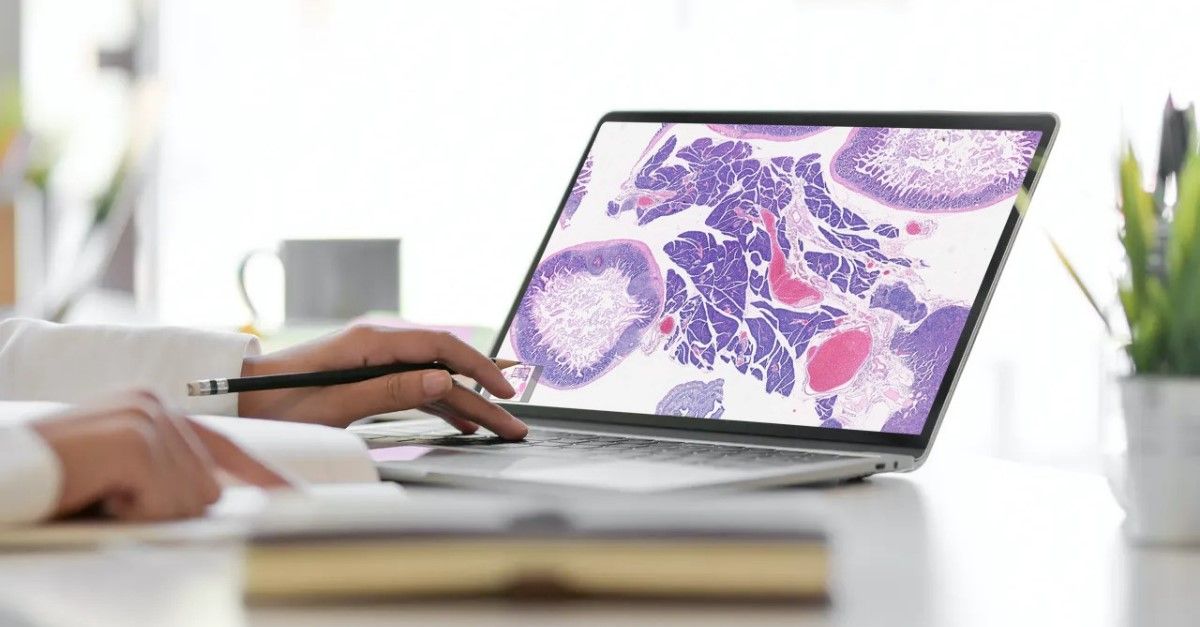
Aiforia’s research solutions offer automated, study-centric workflows and image-analysis applications across a wide range of research areas. Pathologists and scientists save time by automating repetitive tasks, including work done under Good Laboratory Practice (GLP), and can focus on making discoveries. The solutions integrate with existing laboratory infrastructure, so customers get the full benefit of a digital workflow.
Aiforia has an established customer base in preclinical research, including well-known academic institutes and major pharmaceutical companies. Customers have built thousands of AI models with Aiforia Create, covering a wide range of diseases, including breast cancer, Parkinson’s disease, liver disease, and inflammatory bowel disease, as well as research areas such as organ transplantation.
Aiforia® Create: AI model development
Aiforia® Create is a cloud-based tool that lets pathologists and other domain experts build their own AI models for image analysis, without coding. It covers the whole process, from initial data annotation to routine deployment into research projects or clinical workflows.